BTS to Perform in the First FIFA World Cup Final Halftime Show
- Jul 16
- 3 min read
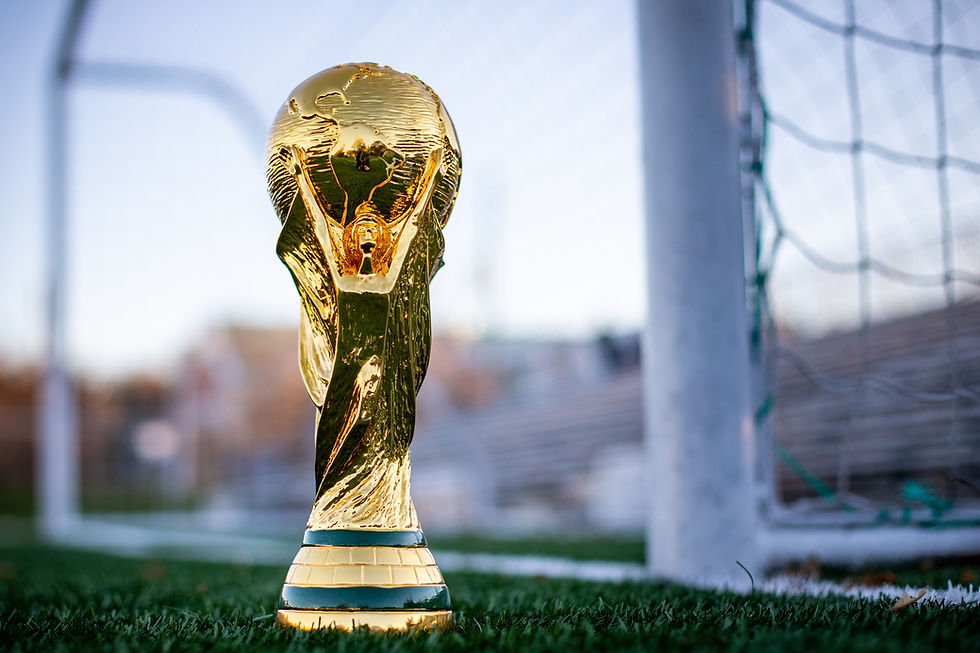
The 2026 FIFA World Cup final is expected to become more than a match that determines the world champion. It will also mark a historic moment in which global sports and popular culture come together on one stage. FIFA plans to present the first official halftime show in World Cup history during the final on July 19 in New Jersey. BTS is scheduled to appear as one of the co-headliners alongside Madonna, Shakira, and Justin Bieber, with Coldplay’s Chris Martin involved in the production of the performance.
BTS’s participation carries significance beyond the appearance of a Korean music group at a major international sporting event. The World Cup final is not a concert aimed at a specific fan base. It is a global stage watched by audiences across different countries, generations, and languages. The presence of a group that rose to international prominence through Korean-language music demonstrates that K-pop is no longer a regional cultural phenomenon. It has become an influential part of global popular culture.
BTS has already established strong recognition in the American music industry and the global concert market. However, the World Cup final offers a different kind of exposure from music award ceremonies or solo concerts. Millions of viewers who tune in primarily for football will encounter the group’s music and performance. This could generate wider interest not only in BTS, but also in Korean music, fashion, visual content, and tourism.
The halftime show is also closely connected to the fact that the 2026 World Cup is being hosted by the United States, Canada, and Mexico. In American sports culture, major competitions are often combined with live music, advertising, celebrity appearances, and large-scale entertainment. FIFA’s decision to introduce a full halftime show suggests an effort to transform the World Cup final into a broader global entertainment event, similar in some respects to the Super Bowl.
However, this change is not without controversy. Halftime in football is traditionally reserved for player recovery and tactical adjustments. Extending the break to accommodate a major performance could affect players’ physical condition, concentration, and competitive rhythm. Some foreign media outlets have raised concerns that FIFA may prioritize commercial spectacle over sporting tradition.
The success of the halftime show, therefore, should not be judged only by the scale of the production or the fame of the performers. It must also preserve the integrity of the match. The performance should enhance the atmosphere of the World Cup without disrupting the players or weakening the importance of the competition itself. Once entertainment begins to overshadow football, the tournament risks becoming a commercial event rather than the world’s most important sporting competition.
Even with these concerns, BTS’s appearance in the first World Cup final halftime show will be a symbolic moment for South Korean popular culture. In the past, South Korea gained recognition on the World Cup stage mainly through the performance of its national team and its passionate supporters. Now, Korean music and culture will stand at the center of the final itself.
This performance represents more than another milestone for BTS. It reflects the transformation of the World Cup from a football tournament into a global platform where sport, music, and culture intersect. The most important question is whether this transformation can connect different cultures without pushing football into the background. Should BTS’s performance achieve that balance, the halftime show will be remembered as a meaningful moment in both World Cup history and the history of Korean popular culture.


Comments